Outreach News – Fall 2026
National Recovery Month: Supporting young people, strengthening families and creating pathways to recovery
In recognition of National Recovery Month, this issue of Outreach Today celebrates the many ways Outreach is helping adolescents and young adults build healthier, more hopeful futures. From treatment and prevention to education, family support and community partnerships, our work is about meeting young people where they are, connecting them with the support they need and helping them take their next steps forward. Throughout this issue, we highlight the people, programs and partnerships making that possible, and the stronger families and communities that grow alongside them.
Recovery Starts with Connection: Supporting Young People at Outreach A Continuum of Care for Adolescents and Young Adults
Every Step of the Way: Supporting Young People and Families on the Path to Recovery
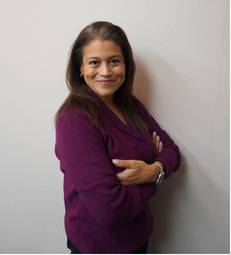
By Mary Brite, Chief Operating Officer
National Recovery Month is a time to celebrate the millions of people who are living in recovery. But it is also an opportunity to think about where recovery begins, especially for a young person who may be struggling and a family that may not know where to turn.
Often, it begins with a conversation.
When families come to Outreach, they may be worried about a teenager who has started using drugs or alcohol, a young adult struggling with anxiety or depression, or a child whose behavior has changed in ways they do not understand. They may have been trying to help for months. They may simply be asking: Where do we begin?
At Outreach, we start by listening.
Every young person is different, and so is every family. There is no single type of treatment that is right for everyone, and what a young person needs at the beginning of recovery may change as they move forward in their recovery journey. Our job is to understand what is happening in their life, what support they need now, and what could help them take the next step.
That is why Outreach offers different levels of care for young people and families. We call this our continuum of care. But the idea behind it is simple: care should meet young people where they are and evolve as their needs change.
A teenager may benefit from outpatient counseling and family therapy while continuing to live at home and attending school. Another may need the additional structure and support of residential treatment. A young adult may need help addressing substance use alongside anxiety, depression or other concerns. The goal is not to fit a young person into a program. It is to find the care that is right for them at that point in their life and help them keep moving forward.
Reaching young people early can make an enormous difference. Adolescence and young adulthood are periods of tremendous change, when substance use and emotional health challenges can emerge. But they are also periods of tremendous possibility. Young people are still discovering who they are and who they want to become. With the right support and people who believe in them, the challenges they face today do not have to determine their future.
To provide that support, we also have to look beyond what we see on the surface. Anger may be connected to anxiety. Substance use may be tied to trauma, depression, isolation or difficult relationships. We want to understand the whole person, not simply the reason they first came through our doors.
And whenever possible, we want their families beside us. When your child is struggling, you are struggling, too. Parents and caregivers may be frightened, frustrated, exhausted or simply unsure of what to do next. They need information, support and compassion as well. By involving families, we can help them better understand what their child is experiencing, strengthen communication and relationships, and become an important source of support as recovery continues.
There will also be times when a young person or family is not ready to take every step we recommend. We understand that. We can start with what feels possible today. And when someone needs care Outreach cannot provide, our responsibility should not end with handing them a phone number. We want to help make that connection so they can continue moving toward the care they need.
That is one of the messages I hope young people and families hear this Recovery Month: there is no single path to recovery, and you do not have to know the entire path before taking the first step.
Asking for help takes courage. Treatment is not a punishment, and there should be no shame in needing support. Recovery can include progress and setbacks, easier days and difficult ones. What matters is continuing to move forward and knowing there are people willing to walk alongside you. At Outreach, that is what we want to be for young people and their families: a place to begin, a place to turn when needs change and a partner for whatever comes next.
A Legacy of Hope: Outreach House I and Adolescent Residential Care
For a parent, the realization that your child may need residential treatment can be overwhelming. You want them to be safe. You want them to get the help they need. And perhaps most of all, you want to know that while they are away from home, they will be surrounded by people who see more than what they are struggling with—they see the young person you know and love.
For more than 40 years, Outreach House I in Ridgewood, Queens, has been that place for adolescents ages 12–18 and their families.
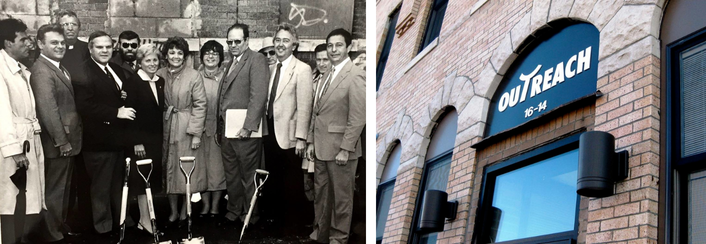
Opened in 1984 by Outreach co-founder and former CEO Kathleen Riddle, Outreach House I was the agency’s first residential treatment program. At a time when most residential programs were built around the needs of adults, Outreach recognized something that still guides its work today: teenagers need care designed for teenagers.
“Outreach House I was the template,” says John Venza, Outreach’s Vice President of Residential Services, who has spent 35 years with the organization. The program later helped provide a blueprint for Outreach House II, the agency’s second adolescent residence in Brentwood, and helped shape the broader continuum of services Outreach offers young people and families today.
That age-specific approach matters. Adolescence is a time of tremendous emotional, social and academic development. When substance use, depression, anxiety or other challenges enter the picture, treatment must address not only what a young person is struggling with, but also the life they are still in the process of building.
And it cannot happen in isolation. “You can’t service the adolescent without servicing the family at the same time,” Venza says. Parents and caregivers need information and support, but they also need a meaningful role in their child’s recovery.
One mother whose daughter received treatment at Outreach House remembers what it felt like to finally find that support. “When we got to Outreach, that was the first time I felt that someone listened,” she shared. “I got so much information. I learned a lot. I saw my daughter progress. I am very happy and grateful for this place.”
Today, life at Outreach House I is designed to help young people receive the treatment they need while staying connected to the parts of adolescence that still matter. Residents attend a full day of school on site through the New York City Department of Education, participate in counseling and activities, stay connected with their families and begin building skills for the future. Depending on their individual needs, care may also include mental health and medical services as well as music, art, yoga and exercise.
For Venza, however, the true measure of Outreach House I’s impact often comes years after a young person leaves. Over the decades, the program has served hundreds of young people, each arriving with their own challenges, strengths and hopes for what might come next.
Some former residents have reached out years later simply to say thank you.
Venza has watched young people who once came through Outreach House continue their education, build careers and create lives for themselves. Some have even chosen careers in behavioral health, helping other young people and families find their own way forward. Those are the stories that stay with him, and perhaps the clearest expression of Outreach House I’s legacy.
More than four decades after its doors first opened, treatment has evolved and the challenges facing young people have changed. Outreach has grown, too, building a continuum of services for adolescents and young adults that extends well beyond the walls of the program where its residential work began. But one belief has endured: a teenager should never be defined by the most difficult chapter of their life.
With the right care, the support of family and people who believe in what is possible for them, that chapter can become the beginning of something very different. That is the legacy of Outreach House I, and the hope it continues to offer young people and families today.
Outreach’s New Young Adult Residence Builds Momentum and Futures
For most young adults, the years between 18 and 25 are filled with firsts: a first job, college or training, new relationships, greater independence and decisions about what comes next. For a young person struggling with substance use, anxiety, depression, or other mental health challenges, reaching those milestones can be much harder.
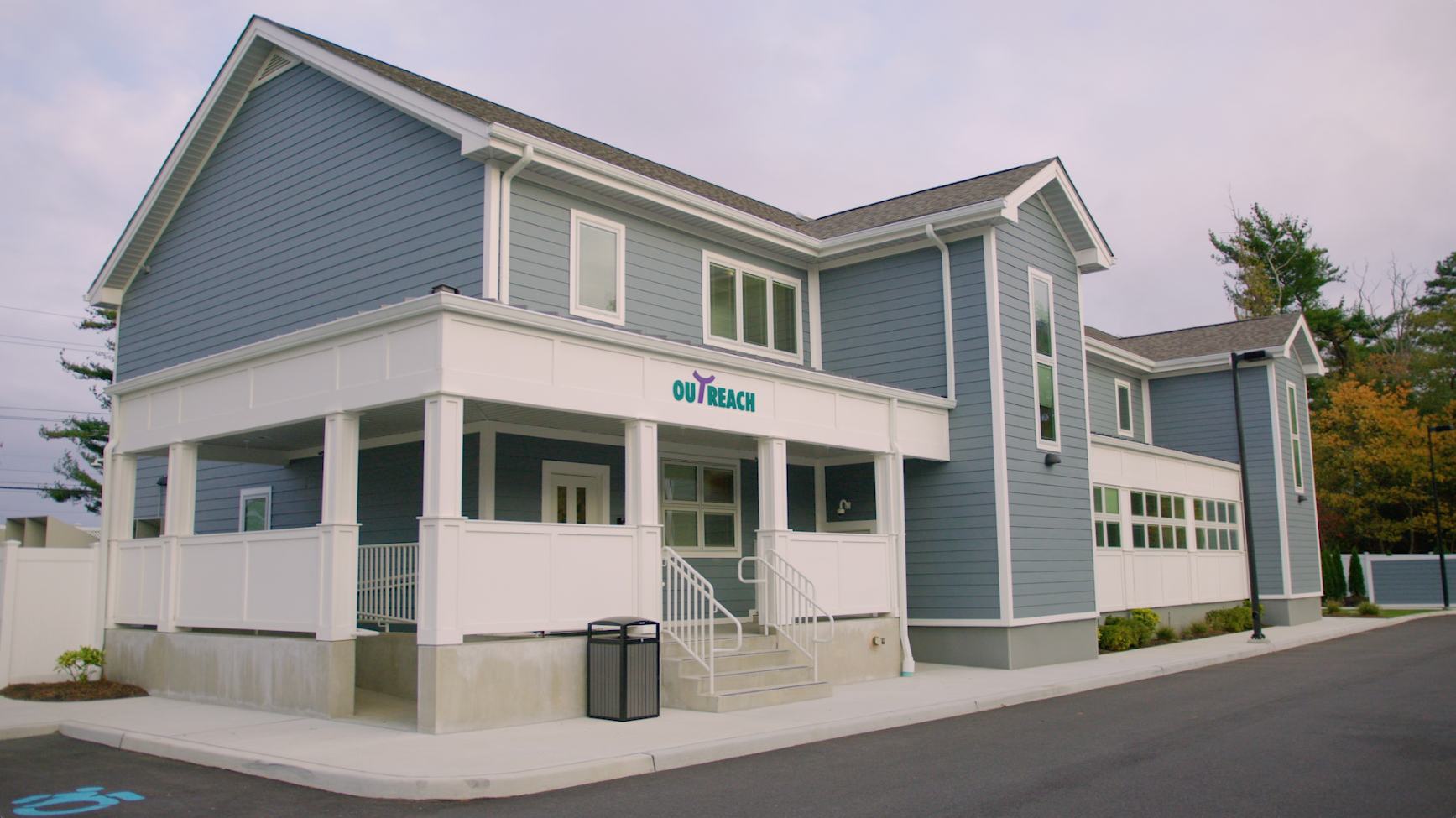
Outreach’s new Young Adult Residence in Brentwood was created specifically for young people ages 18–25, who need residential treatment and support during this important stage of their lives.
Opened for just over six months, the Residence is gaining momentum. Like any new program, it took time to become known among other agencies, hospitals, and providers who refer young adults to treatment. With Outreach’s Community Partnerships team helping to build those connections, referrals are increasing. In fact, the Residence’s census has nearly doubled in recent weeks, with new calls continuing to come in.
“What we’re really learning is that there’s such a unique need for treatment for this specific population,” said Rebecca Hladky, Assistant Vice President of Residential Services.
At 18, 21 or 24, there can still be a lot to figure out. Some residents want to finish their education or find a job. Others are working on repairing relationships, managing responsibilities, making healthy decisions, or learning how to live more independently. At the Young Adult Residence, those goals are not separate from recovery. They are part of it.
Treatment also focuses on building the everyday life skills young adults will need as they move further into adulthood, from managing their time and responsibilities to preparing for work, continuing their education, communicating effectively and becoming more self-sufficient. Residents receive counseling and support for substance use and mental health while also having access to vocational counseling, a technology lab, and recreational spaces where they can learn, connect and begin putting those skills into practice.
And already, some of those plans are taking shape.
One young man who wanted to continue his education enrolled in a GED preparation course while at the Residence and successfully passed his exam, allowing him to leave the program with his diploma. For other residents, college may be the next step. With Suffolk County Community College directly across the street, several residents have expressed interest in higher education, and some have already made appointments with admissions counselors to learn about programs and what they need to do to enroll.
“Recovery is a big piece of it, but we’re also looking at the rest of their lives,” Hladky said. “We want our residents to leave with an educational or work plan in place so that when they complete treatment, they’re better prepared to transition back into the world.”
The need for this kind of age-specific care is showing up in other ways, too. Outreach is seeing growing interest from the criminal justice system in the Residence as a highly structured treatment option for young adults who may be eligible for an alternative to incarceration. For some young people, that can mean an opportunity to receive treatment, address the challenges that brought them to this point, and begin moving their lives in a different direction.
Families are part of that process, too. Turning 18 does not mean a young person suddenly stops needing their family. Parents and loved ones may be trying to figure out how to support their growing independence while still being there for them during recovery. Through family counseling, education, and ongoing support, Outreach helps families navigate those changes together.
This feels especially meaningful during National Recovery Month, when we celebrate not only recovery, but also what recovery can make possible. For a young adult, that might mean earning a GED, exploring college, finding a job, rebuilding trust with family, learning to manage the responsibilities of everyday life, or becoming more independent. Sometimes it starts with simply being able to see possibilities for the future again.
The Young Adult Residence is still a new chapter for Outreach. But six months in, more young adults are finding their way through its doors and beginning to figure out what comes next. Because at this age, treatment is not only about getting through today. It is about helping a young person build the skills, confidence, and independence to move into adulthood and a healthy and full life beyond treatment.
Outreach’s Community Partnership Team: Connecting with Families Across Our Communities
Sometimes connecting someone to help begins long before they walk through the doors of an Outreach program. It starts at a school, community event, health fair or neighborhood gathering, with a conversation, a question or simply meeting someone who can point a family in the right direction.
That is why Outreach’s Community Partnerships team is spending this fall where young people and families already are: out in the communities we serve.
September, National Recovery Month, offers an important opportunity to build those connections. Throughout the month, Outreach is participating in community events across Long Island, including the Islip Goes Purple kickoff, the John Brower, Jr. Memorial Heroes Against Heroin Walk at Jones Beach, Healing Strides Walk, Vibe & Thrive in Brentwood and Connetquot Wellness Day, among others.
At each event, the goal goes beyond handing out information. Our team is there to listen, answer questions, build relationships and help young people, parents and caregivers understand what support is available and how to access it.
That personal connection can be important for a parent worried about their teenager or young adult. Knowing whom to call and having already met someone from Outreach can make reaching out for help feel a little easier.
The team is also building relationships with schools, healthcare providers, community organizations and other partners who encounter young people and families every day. These connections help create clearer pathways to care when someone needs support.
“Community partnerships are essential to our work because they help create connections before someone may even know where to turn for help,” said Christal Montague, Senior Vice President and Chief Strategy and Growth Officer. “Our goal is to make sure individuals and families across the communities we serve can access the care they need. Sometimes that care will be at Outreach, and sometimes it may be with one of our trusted community partners. What matters most is helping people get connected to the right support at the right time.”
As Recovery Month reminds us, no one should have to navigate recovery alone. By showing up, listening and building relationships, Outreach is helping make sure more people know where to turn.
Meet the New Members of Our Community Partnerships Team!
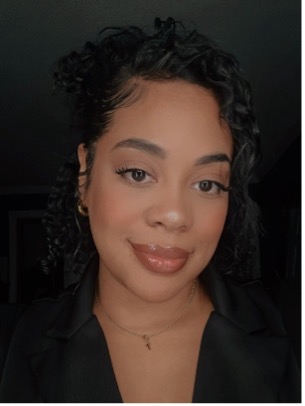
Taisha Milord, CASAC-T, MSW
Manager of Community Partnerships, Nassau/Suffolk
After working directly with clients through Outreach’s intake and admission process, Taisha brings that experience to building relationships with hospitals, agencies and community organizations throughout Nassau and Suffolk.
“I’m excited to get out into the community, build strong relationships and make it easier for people and families to connect to the right services.”
“I’m always open to collaboration. If there’s an organization we should connect with, an event where Outreach should be represented or a referral barrier you’re seeing, please reach out.”
Fun Fact:
Taisha loves traveling, spending time with family and reading psychological thrillers, especially those with a good plot twist.

Maria McLean
Wellness Liaison
A familiar face at Outreach, Maria previously served as Administrative Assistant at Outreach House I. In her new role, she is taking her knowledge of Outreach directly into the community.
“I’m most excited about getting out into the community and sharing how Outreach helps people build healthy lives. My main focus is helping adolescents understand that we are here for them and making sure parents know they don’t have to navigate these challenges alone.”
“Knowing that I’m making a difference.”
Fun Fact:
Maria is an intermediate salsa dancer!
National Night Out 2026: Building Safer, Healthier Communities Together
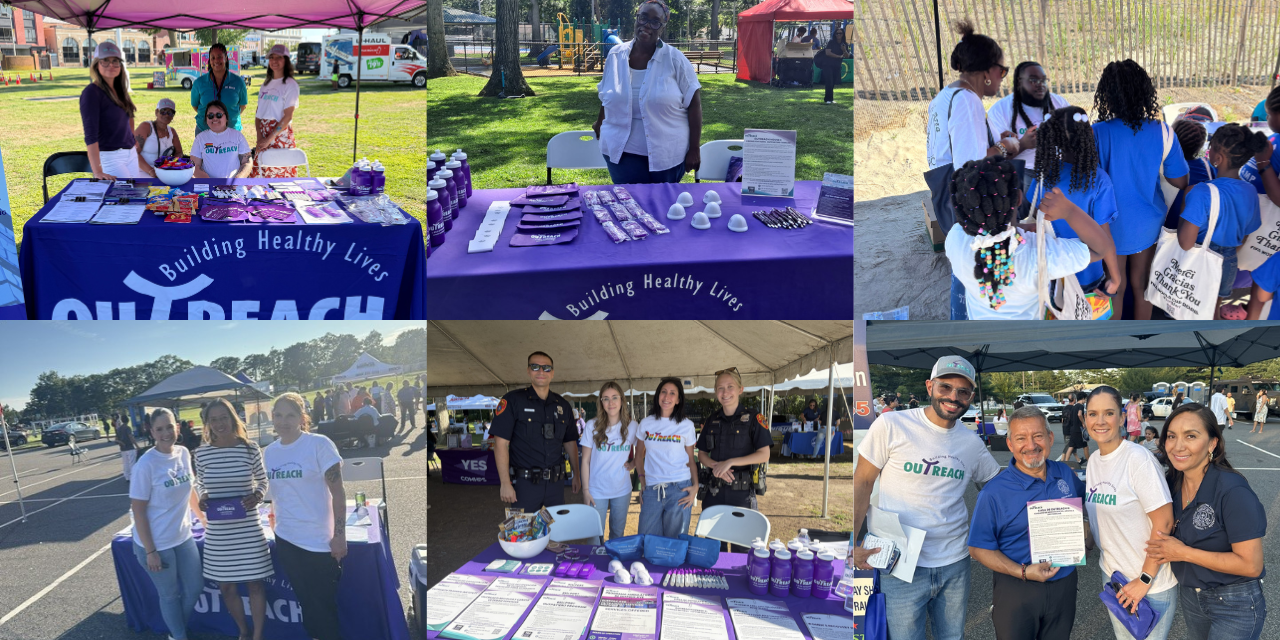
Outreach teams joined National Night Out events across Queens and Long Island this summer, meeting residents, community organizations and local law enforcement. Hosted by police departments and community partners, National Night Out is an opportunity for neighbors to come together, get to know the people and organizations serving their communities and learn where to turn when they need help. For Outreach, being part of these events is especially meaningful. Police officers are often among the first people called when a young person or family is struggling with substance use or a mental health crisis. Building those relationships early helps make sure law enforcement knows about the treatment and support available and where to connect someone who needs help.
Six Outreach teams participated in events in Jamaica, the Far Rockaways, Hempstead, Holtsville, Brentwood and Freeport, sharing information about our services and making new connections. “National Night Out gave us the opportunity to be right there in the community, talking with people, listening to what they need and building relationships with organizations that are already doing important work,” said Christal Montague, Outreach’s Chief Strategy and Growth Officer. Those conversations didn’t end when the events were over. Outreach is continuing to build on these new relationships so that more young people, adults and families know where to turn when they need care and support.
Helping Brentwood Students Start the School Year Strong
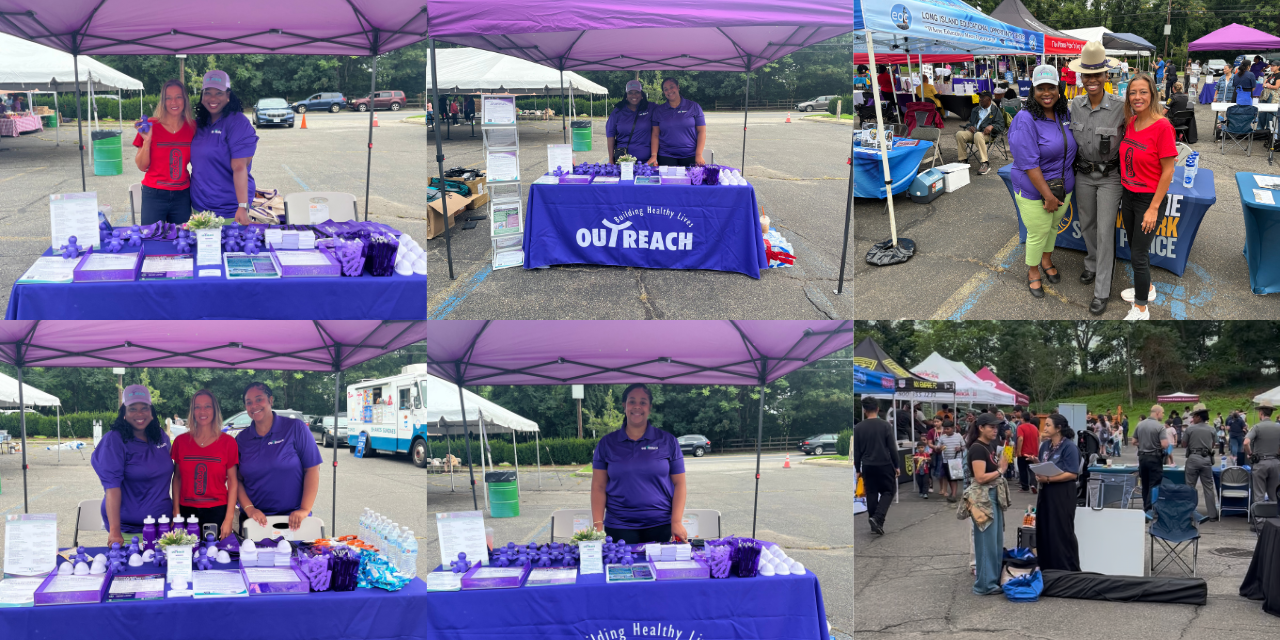
Outreach was proud to join New York State Senator Monica R. Martinez for her annual Back-to-School Backpack and Supply Distribution on August 22 in Brentwood, Long Island, helping local students and families get ready for a successful school year. Held at St. Anne’s Knights of Columbus and co-sponsored by Liga de Justicia Abogados, the event brought the community together for free backpacks and school supplies, barber services, food, music, games and family activities. Outreach staff were on hand to meet families, share information about our services for young people and adults, and help connect community members with support when they need it. We are proud that Senator Martinez serves on Outreach’s Board of Directors and shares our commitment to strengthening the communities we serve. Events like this provide an important opportunity to meet families where they are, build trusted relationships and make sure they know that help and resources are close to home.
Recovery Month In Our Community
Heroes Against Heroin: A Community United in Hope
This month, Outreach is proud to join families, friends, community organizations and recovery advocates at the 2026 John Brower Jr. Memorial Heroes Against Heroin Walk at Jones Beach. Held during National Recovery Month, this annual walk brings our community together to remember those whose lives have been lost to substance use, support those still struggling, celebrate people in recovery and remind families that they are not alone. For Outreach, it is also an important opportunity to stand alongside the communities we serve and share a message at the heart of our work: recovery is possible, prevention matters and there is always reason for hope.
Watch highlights from this year’s walk below:
Outreach Joins Islip Goes Purple for Recovery Month
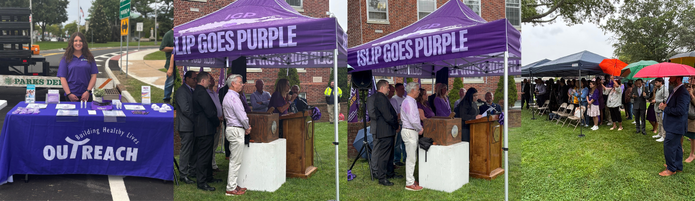
Throughout September, Outreach will join the Town of Islip and community partners for Islip Goes Purple, a month-long initiative held in recognition of National Recovery Month to raise awareness of mental health and substance use disorder and celebrate people in recovery. Activities across the Town will bring residents, families, treatment and prevention providers, and other community partners together to share resources, encourage conversations about substance use and recovery, and remind those who may be struggling that support is available. The initiative is especially meaningful to Outreach: Brentwood, where Outreach operates six outpatient and residential treatment programs, is part of the Town of Islip, making these events an important opportunity for our staff to connect directly with the community and families we serve. Outreach is participating in activities throughout the month, sharing information about treatment, recovery and other supports available to individuals and families. To learn more about Islip Goes Purple and upcoming Recovery Month activities, visit IslipGoesPurple.com.
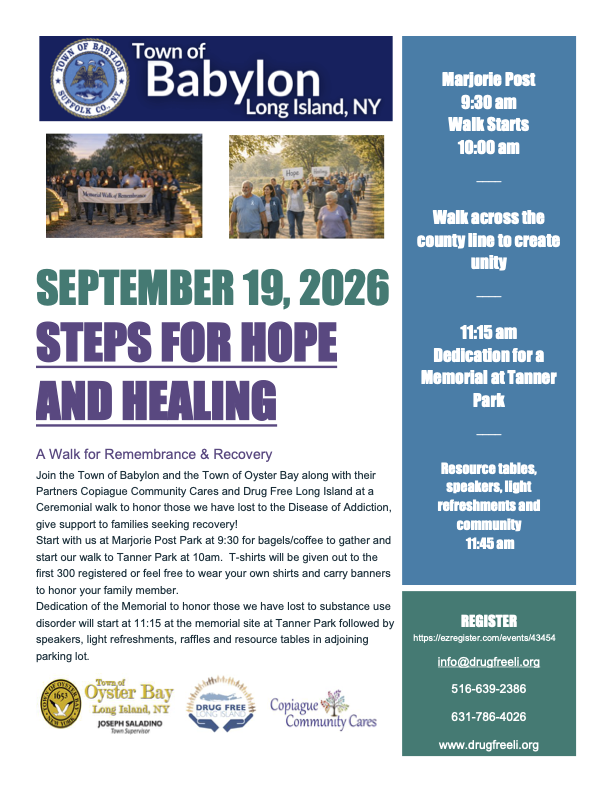
Steps for Hope and Healing: A Walk for Remembrance & Recovery
On Saturday, September 19, the community will come together for Steps for Hope and Healing: A Walk for Remembrance & Recovery, a special event honoring those whose lives have been lost to substance use disorder while supporting individuals and families on the path to recovery. Organized by the Town of Babylon, under the leadership of longtime Outreach friend Town Supervisor Rich Schaeffer, in partnership with the Town of Oyster Bay, Copiague Community Cares and Drug Free Long Island, the morning will begin at Marjorie Post Park and continue with a ceremonial walk across the county line to Tanner Park—a symbolic show of unity. The event will include the dedication of a memorial honoring those lost to substance use disorder, followed by speakers, community resources and opportunities to connect. John Venza, Outreach’s Vice President of Residential Services, will serve as a keynote speaker, representing Outreach and sharing a message of hope, recovery and the importance of standing together with individuals and families affected by addiction.
Outreach in the News
Recognition, milestones and stories extending the conversation about recovery
Outreach Named a Top Workplace—Again!
For the second year in a row, Outreach has been named one of City & State New York’s Top Workplaces, joining 40 organizations recognized across New York’s nonprofit, public and private sectors in 2026. The annual honor celebrates employers that stand out for workplace culture, employee satisfaction, innovation and opportunities for growth, with honorees vetted in part through anonymous employee reviews. Outreach was recognized for three particular strengths: Leadership, Employees and Company Culture. We’re proud of this recognition because the compassionate care we provide to individuals and families starts with the people who make that work possible every day. Our strong, supported and mission-driven team helps Outreach continue building healthy lives and stronger communities across New York.
Recovery Brings Families Back Together: Outreach Clients Featured on NewsdayTV!
This summer, NewsdayTV visited Outreach’s Women’s Recovery Residence in Brentwood and our Bellport Outpatient Services Program to tell the stories of mothers whose journeys through treatment and recovery have helped them reunite with their children and rebuild their families. At Outreach, we know that substance use affects more than one person, which is why our programs support women not only in their recovery, but in strengthening family relationships and building the stability they need for the future. The women featured in Newsday offer a powerful look at what recovery can make possible: healing, renewed relationships and the opportunity for families to move forward together. To watch the NewsdayTV feature link here: https://www.newsday.com/news/health/drug-addiction-mothers-children-custody-ha1sfp7v
Talking About the Right Care at the Right Time 
Outreach’s Vice President for Residential Services, John Venza, recently joined the Legal Aid Society of Suffolk County’s Legal Aid Radio to talk about helping adolescents and families find the right support when they need it. John discussed the importance of a continuum of care, from outpatient services to residential treatment and, how Outreach works with young people and families across Long Island to connect them with care, support recovery and build healthier futures. You can listen to the episode anytime: https://www.iheart.com/podcast/53-legal-aid-radio-151088094/
 Partner Spotlight: Long Island Contractors’ Association
For more than a century, the Long Island Contractors’ Association (LICA) has served as a leading voice for The Island’s heavy construction and infrastructure industry. Representing more than 170 member firms, including general contractors, subcontractors, suppliers and industry supporters, LICA advocates for the companies and professionals responsible for building and maintaining the roads, bridges, sewers and other infrastructure that help keep Nassau and Suffolk counties moving.
LICA supports its members through government and legislative advocacy, labor relations, safety training, continuing education, industry information and networking opportunities. The association also works to strengthen the future of the construction workforce, including through initiatives such as FOREWomen Long Island, which promotes professional development, mentorship and opportunities for women in construction and infrastructure.
At the heart of LICA’s work is a commitment not only to building a stronger Long Island, but also to supporting the people whose skills and hard work make that possible. That shared commitment to people and communities provides a natural foundation for LICA’s partnership with Outreach and for connecting members, employees and their families with behavioral health and substance use resources when they are needed.
Make a Difference: Join Our Team!
Build a career that helps build healthier lives.
Our work with young people, adults and families is made possible by compassionate professionals committed to creating opportunities for lasting change.
Explore professional opportunities at Outreach through our Careers Center webpage
Get Involved
At Outreach, we believe building healthy lives builds stronger communities. During National Recovery Month and throughout the year there are many ways to help ensure that young people, adults and families can find support, opportunity and hope when they need it.
Take the Next Step




Thank you for helping us create healthier, brighter futures for young people, families and communities
Save the Date
2026 Metropolitan Luncheon
Thursday, December 3, 2026
Ciprani’s 42nd Street, NYC
For more sponsorship and ticket information, please visit: https://opiny.org/donatedel/metro-luncheon-official/
or Scan this QR Code
