Outreach News – Spring 2026
Stories and news of growth, recognition & community partnerships
that continue to strengthen our mission and inspire hope
What’s New
Highlights of upcoming programs and events shaping our future
As we welcome Spring, we also celebrate Women’s History Month, a time to reflect on the leadership, vision, and resilience of the women who shape our communities and our organization every day. Outreach was founded 45 years ago by past President and CEO and current Board Chair Kathy Riddle, and her commitment to compassionate, community-based care continues to guide us. Today, women serve at every level of our agency, including across the majority of our executive leadership team, with their influence woven throughout our history and daily work. In this issue, we honor that legacy while looking ahead, highlighting the women who built our foundation, those advancing care across our continuum of services, and the next generation strengthening the behavioral health workforce. We invite you to explore their stories and join us in celebrating the impact of women at Outreach and beyond.
Outreach in the News
Celebrating recognition and milestones in our community and beyond
A Legacy of Love, Leadership, and Accountability
Celebrating the Retirement of Alexis Gadsden, LMSW, LMHC
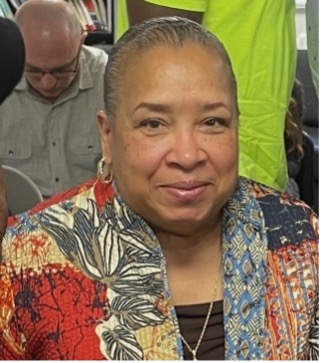
After nearly three decades of transformative leadership at Outreach, and more than 40 years in the behavioral health field, Alexis Gadsden, Senior Vice President and Chief Diversity Officer, is retiring, leaving behind a legacy defined by growth, courage, compassion, and unwavering accountability.
When Alexis first arrived at Outreach in 1997, personally recruited by founding President and CEO Kathy Riddle, the agency was a very different organization. “I started at Outreach in Bellport, and it was a very small program,” she recalls. “I think we had maybe 20 clients in the outpatient clinic and maybe 10 in the day program. I think the evolution is what’s most inspiring to me, watching this program grow.” That growth, measured not only in size but in depth, impact, and excellence, became one of the hallmarks of her career.
Throughout her tenure, Alexis held multiple leadership roles, including Vice President of Special Projects, Quality Assurance and Compliance Officer, and ultimately Chief Diversity Officer. Across every title, one theme remained constant: intentional growth rooted in values.
“Outreach has grown exponentially since I started here,” she says. “And at every step, there have been careful decisions made so that we could make transitions in a healthy way and continue to support our basic foundation and our values.”
Quality and compliance were not just responsibilities; they were personal commitments. “Historically, we’ve been known for quality and accountability,” Alexis says. “Throughout all our efforts, I’ve watched these continue to be the foundation of the work we do.” Her leadership ensured that as Outreach expanded geographically and programmatically, its integrity never wavered.
As Chief Diversity Officer, Alexis has led Outreach’s Justice, Equity, Diversity, and Inclusion (JEDI) efforts, strengthening the agency’s commitment to equity and alignment with National CLAS Standards. But for Alexis, equity was never just a policy. “Meaningful equity work, for me, means keeping your fingers on the pulse of what’s happening with your clients and staff on a day-to-day basis,” she explains. “From the point that somebody comes into this agency as a new employee or as a client, that they’re listened to, they’re respected, and that their values lead us to make decisions that are appropriate for them.” She is also quick to point out that real culture change happens in everyday actions: “People can put things on paper. They can write great diatribes of what they believe. But I see the staff actualizing this on a day-to-day basis.”
If there are three words that define Alexis’s leadership philosophy, they are listening, dignity, and accountability. “Listening with an open heart,” she says, means truly hearing staff, “whether it’s something you want to hear or not, whether it’s a maintenance person, a secretary, a social worker, or an executive.”
Dignity, for Alexis, is non-negotiable. “You get a big old giant title and so what? We all take our pants off the same way,” she says with her signature candor. “Everybody’s important. The secretary probably has more contact with the client than we do. The cook. The maintenance person. Everybody has value in this agency.”
And accountability? “That’s our survival,” she says firmly. “Each of us shares responsibility. Not just the bosses. We’re doing this as a team, working together for a mutual purpose.”
As a Hispanic woman of color in a field historically led by men, Alexis learned early how to navigate power without surrendering authenticity. “You belong at the table,” she says to the next generation of women leaders. “And don’t be afraid to speak up.” However, she acknowledges the challenges candidly. “There have been times when people have kind of shut me down. Here she goes again. It’s because the subject of special needs children or women was not their priority and I have to sit there and say, ‘Oh yes, here I go again.’ You take a couple of hits here and there, and you just move forward. Keep moving.”
Her strength is grounded in deep self-awareness and faith. “I’ve learned to love myself,” she says. “That’s my mantra. I sleep well at night because I try to be good to people, be respectful, be generous, and loving.”
Beyond Outreach, Alexis has served on professional boards, advocacy groups, and national committees. Yet one of her greatest passions has been mentoring emerging leaders through the Outreach Training Institute and beyond. “I don’t grow by keeping everything to myself,” she says. “You’ve got to be willing to share what you know and groom other people in order to keep building on what we have.”
She believes the most urgent challenge facing behavioral health today is leadership succession.
“We’ve got to make room for new leaders. We’ve got to train the new leaders. And we’ve got to be willing to be a voice for the field.” Her call to action is clear: “Don’t fall asleep. Don’t be afraid to speak up.”
When asked what she hopes people remember most about her, Alexis does not point to titles, boards, or initiatives. “With love and respect,” she says simply. “Say hello to people. Put a smile on your face when you come to work. Put your personal stuff in your pocket. When you open the door, you put a smile on your face and get to work.”
As she enters retirement, she expresses confidence in Outreach’s next generation of leadership and pride in the agency’s enduring culture of compassion and accountability. And if she could leave one final message for women, clients, staff, and leaders alike? “We’re all important. We all have value. Love each other and support each other. Work hard, love hard, and be blessed.”
After more than four decades of service in the field, Alexis Gadsden’s legacy will live on not only in the programs she helped build or the policies she helped shape, but in the people she mentored, the voices she amplified, and the countless lives touched by her steady insistence on dignity, fairness, and love. Her impact is woven into the very fabric of Outreach and that is a legacy that will endure.
Video Newsletter now available!
We’re excited to introduce the Video Edition of our newsletter. While the written version includes the full update, our new video highlights some of the key insights and stories from this issue.
Click here to watch the latest episode and subscribe to stay up to date with future releases.
A Place to Heal. A Place to Grow.
Inside Outreach House II and the Leadership Guiding Teens Toward Hope
Adolescence is a time of becoming, of shaping identity, building confidence, and navigating relationships that can feel defining. For teens facing substance use and co-occurring mental health challenges, that journey becomes even more complex.
At Outreach House II, located on Outreach’s Crooked Hill Road campus in Brentwood, teens ages 12–18 are met exactly where they are, with structure, compassion, and a clear path forward. The residential program provides trauma-informed treatment for substance misuse and co-occurring mental health disorders while helping young people rebuild something essential: self-worth.
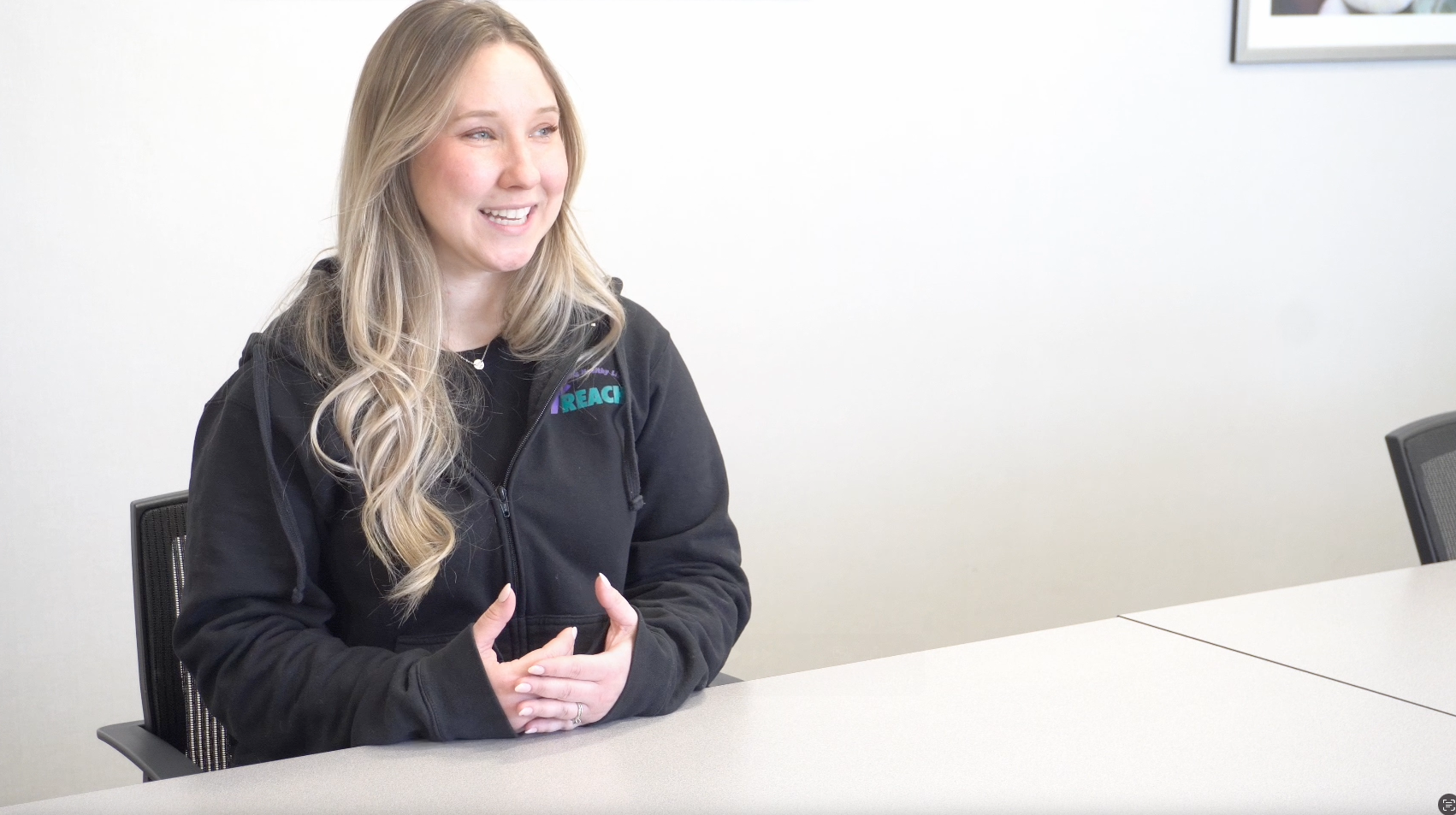
Leading that work is Program Director Catherine “Catie” Maguire, whose thoughtful leadership shapes the culture of the residence each day. Having served in multiple roles across Outreach, she brings both clinical expertise and deep humanity to her work, especially with teen girls in recovery. “For many in recovery, a large part of their history includes trauma,” she explains. “For young girls and young women, a large part of that trauma impacts self-esteem, self-worth and that impacts our approach to treatment.”
That understanding is reflected in intentional programming. Outreach House II offers integrated clinical care alongside gender-specific groups where girls can speak openly about identity, relationships, social pressures, and self-image.
Confidence, Catie Maguire notes, is foundational to recovery. “A large part of recovery is whether or not folks are confident and ready to make that commitment,” she says. “And it’s hard to feel ready when you don’t feel confident.” One of the most powerful transformations she witnesses is when girls begin stepping into leadership roles within the residence community. Many arrive either timid or outwardly tough, different expressions of the same need to feel safe and valued. Over time, that begins to shift.
“It’s really exciting for our residents, to see our young girls and young women stand up in front of their community and take on roles and responsibilities,” she says. “Being able to see them step up and find that sense of self, what they value, what they’re worth, is really exciting.”
The program’s whole-person approach integrates medical and mental health care, therapy, academics, and family involvement. A cornerstone of trauma-informed care is Seeking Safety, an evidence-based curriculum designed to build coping skills and stability without requiring teens to relive traumatic experiences before they are ready. As Ms. Maguire describes it, the model creates space “not necessarily to discuss the trauma, but rather to discuss the impact that trauma has had on their lives and help them feel safe in developing and learning new coping styles and strategies.”
Creative and experiential therapies further expand that work. Music therapy, yoga, drumming, equine therapy, art, and exercise offer teens ways to express emotions that may be difficult to put into words. In equine and animal-assisted therapy, teens connect “in a way that feels very safe, there’s no expectations in the relationship,” she explains. In art therapy, she sees powerful parallels emerge: “The parallels between their experiences and how it shows up in their artwork is so remarkable.” And music therapy, she says, “It’s a great way for them to connect with their peers and use someone else’s expression to help them find their own voice.”
Even moments of simple joy become part of healing. Catie Maguire recalls a recent girls group focused on strengths and aspirations that turned into something unexpectedly joyful: “They did their own talent show and they did each other’s hair.” She says it was powerful to see them act their age and celebrate what they love about themselves in a supportive space.
Academics remain central. Teens participate in a full on-site school day with credit recovery opportunities, helping them regain momentum toward graduation. Within the residence, a structured job system allows adolescents to apply for community roles, practice responsibility, and build practical skills. “Throughout the course of treatment, they’ll have an opportunity to apply for a role in our community,” Ms. Maguire explains. “Some of those roles challenge them to explore and exercise new skills and build on strengths they already have.”
Family engagement is not an add-on, it is essential. “It is so difficult for them to be successful without [family involvement],” she says. “There’s this parallel process for our residents and our families that healing together creates the most meaning.” Through family therapy and parent education, the program works to reconstruct family dynamics and restore balance so teens can return home with stronger foundations.
When asked how her perspective as a woman shapes her leadership, Catie Maguire returns to a guiding principle: grace. “I think having grace and giving grace for ourselves is such a large part of how I do what I do,” she says. Recovery can bring intense guilt and shame, particularly for teen girls navigating trauma and perfectionism. Her message is steady and empowering: “It’s OK to make mistakes,” she tells them. And above all: “They are never in it alone. It’s so important to allow ourselves to let people in. There is so much hope and opportunity. We, as girls and women, have every right to take up space. They absolutely should. They are deserving of it.”
On graduation day, families often see the transformation clearly. “You see a lot of them come into treatment, putting on a brave face,” Maguire says. “The end of treatment, they are standing up a bit taller, sitting a bit straighter and this confident smile comes across their face. It’s such a wonderful thing to get to see and be a part of.”
At Outreach House II, that change is not accidental. It is built into the daily rhythm of care, trauma-informed treatment, education, creative expression, family healing, and leadership opportunities that help girls, as well as boys, rediscover their strength. In a world that too often asks young women to shrink themselves, Outreach House II offers something different: a safe place to heal and a community that helps them stand tall.
Building Independence, Restoring Hope
The Young Adult Residence at 400 Crooked Hill Road
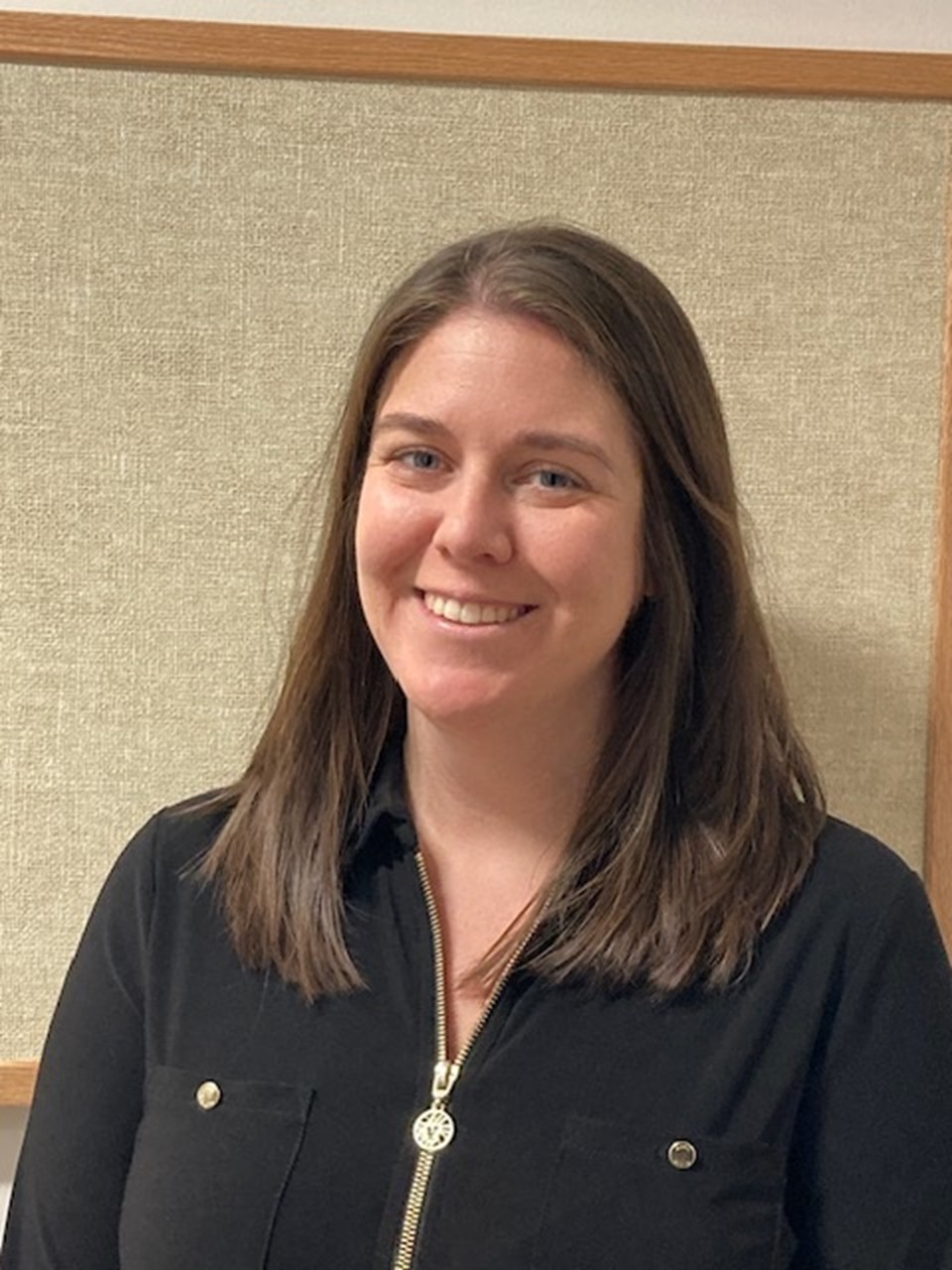
Last December Outreach proudly cut the ribbon on its newest program at the 400 Crooked Hill Road campus in Brentwood: The Young Adult Residence, the first residential treatment program on Long Island designed specifically the transitional age group of 18–25 years old.
In February, the residence began welcoming its first clients, marking an important milestone not only for Outreach, but for young adults navigating one of the most vulnerable and transformative stages of life.
As we honor Women’s History Month and celebrate the women who lead across our campus, we recognize the powerful symbolism of this moment. The Young Adult Residence is led by Program Director Emily Murray, who’s thoughtful, trauma-informed leadership reflects the evolving needs of the young women, and men, the program serves.
Young adulthood is often described as a bridge, no longer adolescence and yet not fully settled into adulthood. For young women in recovery, that bridge can feel especially precarious. “This age group has unique needs,” Emily Murray explains. “They’re young adults trying to find their way. Some still have strong family involvement that we can incorporate into treatment plans. Others are preparing to live on their own. Being able to meet clients where they’re at and give them the life skills they need at this age is critical.”
The residence was designed to close a long-standing gap in care, offering comprehensive substance use and mental health treatment within a multi-disciplinary, therapeutic environment. Individualized plans may include psychiatric evaluation and medication management, individual and group therapy, relapse prevention, and vocational readiness support. But what distinguishes the program is its dual focus: rehabilitation and reintegration.
“This is a time where our clients are focusing on their recovery as well as their future,” Ms. Murray says. “We’re able to do that simultaneously by helping them move from a higher level of care, building coping skills and confidence while also focusing on developing independent living skills.”
For many young women, recovery intersects with larger questions of identity, autonomy, and self-worth. Ms. Murray sees a common theme among young adults: the tension between dependence and independence. “It’s the battle between building those independent living skills and still needing support,” she says. The program addresses this directly through structured daily seminars that range from 12-step recovery and relapse prevention to boundary-setting, confidence-building, and healthy relationship skills. Residents participate in life skills training that includes budgeting, hygiene, resume building, and interview preparation. On-site vocational and educational supports, including access to technology labs and classrooms further prepare young adults for the workforce or continued education.
Within the first weeks of admission, each resident meets with a vocational coordinator to begin mapping out her/his future. “Some clients know exactly what they want,” Emily Murray explains. “Others need exploration or guidance. We start those conversations from the very beginning.” This proactive, forward-looking approach reinforces a core message: recovery is not just about stopping substance use, it’s about building a life worth sustaining.
When asked what she wants clients to feel the moment they walk through the door, Ms. Murray does not hesitate. “To feel safe,” she says. “Safe to be themselves and safe to get the help that they need. Without physical safety and a sense of belonging, it’s hard to work on anything else.”
The residence was thoughtfully designed to support healing, independence, and connection. Bright bedrooms feel like home. Communal dining spaces encourage shared meals and conversation. Dedicated counseling rooms, classrooms, and recreational areas create opportunities for growth, creativity, and community. Beyond the physical space, Ms. Murray emphasizes relational safety. Staff are trained in crisis intervention and supportive counseling. Nightly community meetings provide a forum where residents can raise concerns, offer ideas, and advocate for themselves.
“We talk about how important advocacy is,” she explains. “We want to show them that we’re listening. Sometimes we’ll have a client physically write up an advocacy, formulating their thoughts, presenting their reasoning to the treatment team. That process builds confidence. It shows them their voice matters.”
In a Women’s History Month reflection, this commitment to teaching self-advocacy carries special resonance. Empowerment is not simply a concept discussed in groups; it is practiced daily.
While every client arrives with a unique story, Ms. Murray notes that many young women in this age group carry significant trauma histories. “All clients who come to us have a high risk for trauma,” she says. “But for female clients, we often see histories of domestic violence, sexual assault, trafficking, or exploitation. That’s something we work through.”
The Young Adult Residence incorporates trauma-informed care throughout its programming, including the Seeking Safety curriculum, an evidence-based model that allows residents to build coping skills and address trauma without immediately reliving painful experiences. “It allows us to build a foundation,” she explains. “Somebody may not be ready to dig into everything yet. We can work around it, strengthen coping skills first.” This approach honors autonomy, pacing, and readiness, principles that reflect both the best clinical practices and compassionate leadership.
Young adulthood often brings shifting family dynamics. The program offers integrated family services, including family counseling and education, when appropriate. “For clients who want family involved, we include that from the very beginning,” Murray says. “We start conversations about discharge planning, communication, and boundaries early.” At the same time, the program respects the autonomy of young adult women, recognizing that not every family relationship is safe or supportive. Future family support groups will create space for collective healing as the residence grows.
Emily Murray is a woman who leads with empathy, structure, and vision. Her leadership style emphasizes collaboration, listening, and individualized care. “Each client is coming in with their own unique background and experiences,” she says. “It’s important to honor that and let them be the driving force for their treatment.”
The program has begun welcoming its first residents, with capacity steadily increasing. The vision is clear: to create a space where young women can stabilize, grow, and step forward with confidence.
When asked what she hopes clients feel upon completing the program, Murray’s answer is simple and powerful. “A sense of hope,” she says. “Recovery isn’t one size fits all. It’s not a straight line. But knowing that if they can do it once, they can do it again; having that belief in themselves that things can get better, and that they have the strength to do it.”
Rising Together: A Sisterhood of Recovery
The Women’s Community Residence
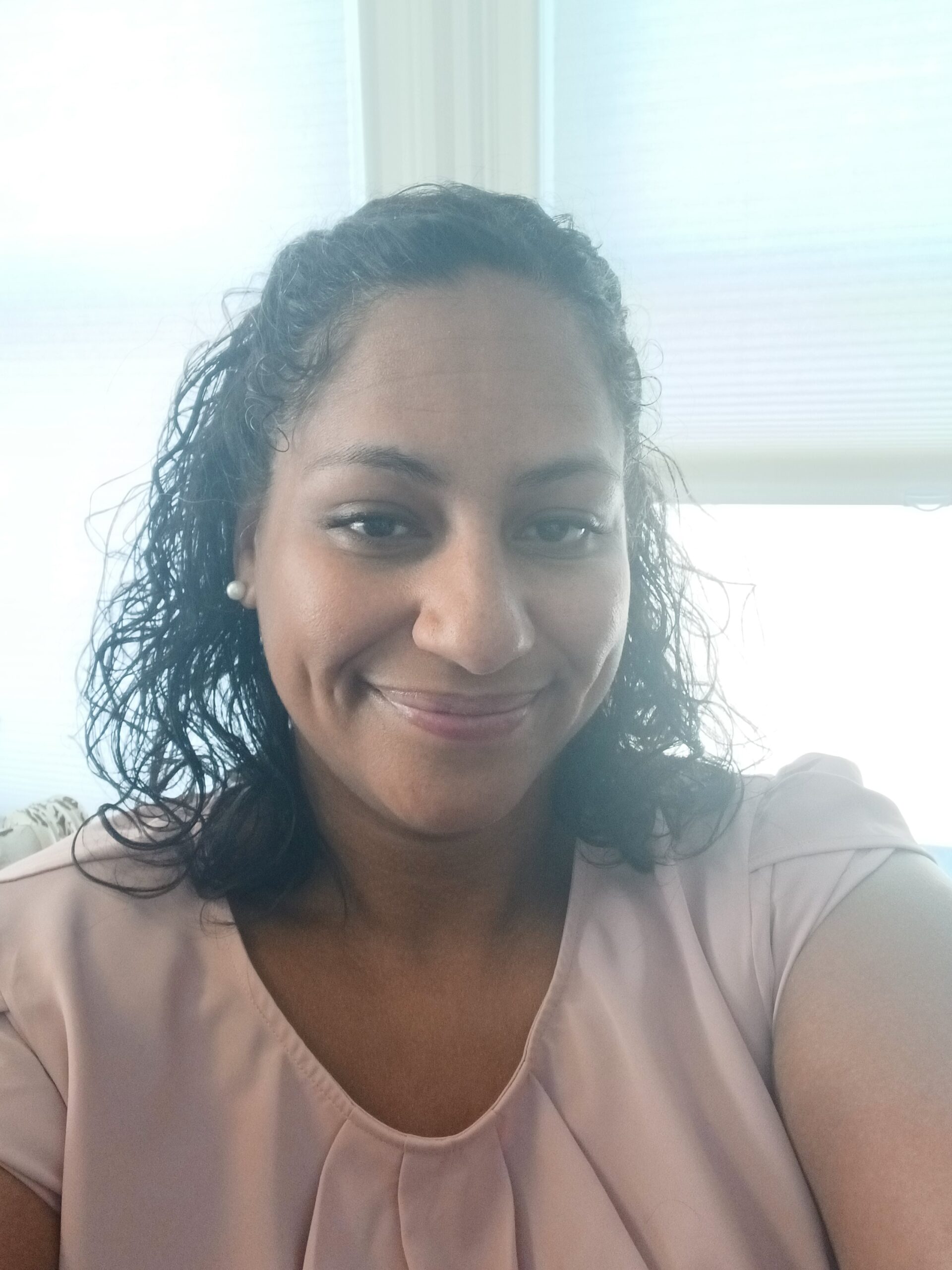
There’s a moment that happens again and again at Outreach’s Women’s Recovery Residence in Brentwood. A woman arrives exhausted, guarded, unsure what comes next. Before paperwork, before schedules, before treatment plans, she is met with something simpler: belonging.
“That’s the first thing we do,” says Program Director Stephanie Laureano. “Whatever we’re doing, the first time a person comes through that door, we embrace them. We tell them they’re home; we’ve been waiting for them.”
In honor of Women’s History Month, Outreach is highlighting women-led programs that support girls and women across the lifespan. The Women’s Recovery Residence serves adult women, age 25 and older, in a setting designed not just for stabilization but for renewal, where recovery is personal, layered, and grounded in compassion.
“We are a dual program,” Ms. Laureano explains. “We’re reintegration and rehab. We just recently opened the rehab portion. And I’m a big believer that especially for women, their struggle is different, not only recovery from substance misuse but healing from trauma, mending fences with their families, and finding grace within themselves.”
That word, grace, shapes the culture of the residence. Many women arrive carrying years of rejection and stigma. Ms. Laureano is intentional about how they are welcomed.
“Some of the women have come from the street, rejected for years, from family and society,” she says. “But here, we let them know how valued they are, how powerful their story is. There’s no judgment here. We’re here to help them rebuild.”
Over time, that welcome grows into something deeper than a staff approach; it becomes a sisterhood. Ms. Laureano recalls women arriving “with their hands up,” defensive because survival demanded it. Gradually, something shifts.
“We see them put their guard down, understanding this is a safe place to be,” she says. “And then we see them being so nurturing to the next group of women who come in. And now, when anyone arrives, everyone lines up and welcomes them.”
Each arrival is marked with a simple ritual. Residents receive a bracelet while words about strength and new beginnings are read aloud. “It’s like a sisterhood journey,” Ms. Laureano says. “Embracing them in.”
That spirit is reflected in a powerful symbol inside the residence: a mural of a Phoenix rising in color and motion, surrounded by quotes written by the women themselves. “The Phoenix is exactly what our women are here,” she says. “The rise that we see when they leave from here, the power of it.” The mural stands as a daily reminder that no one is defined by her past.
Clinical care is trauma-informed and individualized, including relapse prevention, life skills development, psychiatric care, domestic violence counseling, vocational support, and family services. Healing also unfolds in creative spaces.
“I’m a big fan of holistic art because a lot of times the ladies may not have the words,” Laureano says. “But you could see it manifest through their art. You could see the pain. You could see the joy.”
Even women who insist they have no artistic ability surprise themselves. “The residents will say, ‘I don’t do art, I can’t draw,’” Laureano laughs. “And yet they are the ones that create the most breathtaking creation. They even shock themselves.”
Narrative therapy further reinforces ownership. “It’s their story,” Laureano says. “It’s not being told to them by any therapist. We let them know that they are their own best publisher, it’s about how they define their journey.” As women write and reflect, they begin to see their own strength more clearly. “As therapists we’re not here to tell them their story. We’re here to give them the tools and support them. But 90% of the time, they have the answers, they just need the tools to explore them.”
Recovery often includes rebuilding relationships with children and family members while navigating court appearances, parenting classes, and testing requirements. “We see a lot of the women constantly going to court, taking drug tests, attending parenting classes, all on top of maintaining their sobriety,” she says. “And then learning and building that bond again with the child, it’s a lot.”
Consistency becomes proof of change. “I tell them recovery should be selfish,” Laureano says. “You have to pour into yourself first.”
Laureano leads from alongside the residents, not apart from them. “I don’t lead from an office,” she says. “I’m leading from the floor. I make sure we have lunch with them. When I’m here in the evenings, I join them for dinner. I want them to see me as part of their lateral experience, that there’s no separation between them and me.”
Asked what success looks like, Ms. Laureano begins with identity. “Success is that they see themselves,” she says. “They have a voice. Their self-esteem is so much higher than when they first came in.”
And when they leave: “There’s hope and purpose. They worked for that. We just opened the door.” “Women are designed to be resilient,” Laureano says. “If you want to see recovery at its finest, see it in a woman.”
At Outreach’s Women’s Recovery Residence, that resilience rises every day, like the Phoenix on the wall, proof that a story can begin again, stronger than before.
Partner Spotlight
Celebrating the organizations and allies walking this journey with us

In this issue, we celebrate Thomas’ Hope Foundation and its Founder and Executive Director, Linda Venture. A vital nonprofit partner of Outreach, Thomas’ Hope supports individuals and families affected by substance use disorder across Suffolk County through certified peer recovery coaching, compassionate support, education, and advocacy. Their lived-experience approach and tireless community presence make them an invaluable collaborator in our shared mission to expand access to care, reduce stigma, and strengthen recovery in our community. To learn about their programs and services, please visit: https://www.thomashopes.org/
Building Stronger Communities Together: Meet Our New Community Partnership Managers!
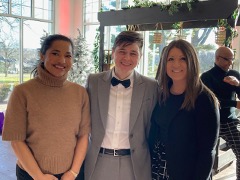
Left to Right: Dakchyata Thapa, Le Motylenski, Alexis Attardi
Outreach is excited to welcome a new team of Community Partnership Managers, each representing one of the communities Outreach proudly serves in Queens, Nassau, and Suffolk County. These dedicated leaders are focused on building lasting community relationships and strengthening our agency’s referral pipeline to ensure greater access to services across our regions.
Alexis Attardi, Manager, Community Partnerships, Suffolk County
What’s your professional background, and what were you doing before joining Outreach?
Prior to Outreach I’ve always had a passion and desire to work in the Healthcare Industry and Social Services field. My journey began by receiving my Bachelors in Science of Nursing in 2018. I then continued my education to receive my Master’s Degree in Social Work and was connected to Outreach through my internship in 2019. Immediately I knew this was a team I wanted to be a part of and admired all the organization does to help those with mental health and substance misuse build a healthier lifestyle without the need of substances. Since then, I have been in clinical roles and served as the Community Support Specialist at Outreach House 2, which enabled me to truly understand Outreach’s mission and values.
What drew you to Outreach and to this Community Partnerships role?
With the development of the Community Part
What’s one thing you’re most excited to work on or build in your first year here?
I’m especially excited about working alongside other partners through thoughtful coordination and shared goals to help those in need receive treatment.
How do you hope your work will support our partners and the communities we serve?
I am also excited to see how this new development for Outreach will grow our organization while being out in the community helping those believe in themselves and obtain services that are incredibly needed for all populations.
Le Motylenski, Manager, Community Partnerships, Queens
What’s your professional background, and what were you doing before joining Outreach?
I have professional experience in public health and healthcare, criminal justice reform, and immigration services. For the last 5 years, prior to joining Outreach, I worked at Housing Works’ FQHC in East New York in their Business Development / Community Partnerships dept.
What drew you to Outreach and to this Community Partnerships role?
I wanted to increase my impact on my clients and community. Outreach offers the breadth of substance use and mental health services needed to do just that. It is challenging and rewarding work.
What’s one thing you’re most excited to work on or build in your first year here?
I’m excited to bring people and efforts together formalizing Business Development / Community Partnerships as a dept. here at Outreach. Everyone is doing the work in their own way so I’m looking forward to pooling our connections and resources to reach our shared goal.
How do you hope your work will support our partners and the communities we serve?
I have a lot of experience meeting clients where they are to bring services to them, finding creative ways to connect communities to care, and addressing their social determinants of health. Being in the field allows me to see how we can improve workflows to be more responsive to our partners and communities and to increase access to care.
What’s a skill, experience, or perspective you bring that people might not see on your résumé?
Last year, I participated in the NYU School of Global Public Health’s Community Research Fellows Training at their Center for Anti-Racism, Social Justice, and Public Health. I’m really interested in pursuing social justice through the lens of public health.
Just for fun: what’s something about you, inside or outside of work, you’d like your colleagues to know?
I learned how to play ice hockey as an adult! It’s even more fun now with the extra attention from TV shows and the Olympics. Everyone watches women’s sports!
Dakchyata Thapa, Manager, Community Partnerships, Nassau County
What’s your professional background, and what were you doing before joining Outreach?
Prior to Outreach, I worked in health policy at the Philadelphia health department. I earned my master’s degree in public health. Most recently worked as a Population Health Data Analyst in the Quality Information Department here at Outreach.
What drew you to Outreach and to this Community Partnerships role?
Everyone in Outreach is empathetic and I have always been interested in how transformative healthcare access can be for communities in need. Outreach provided me with the opportunity, initially in the data realm, and now in community partnerships, to be a part of measurable impact on both the individual and systems levels.
What’s one thing you’re most excited to work on or build in your first year here?
I am excited to work with a dynamic team, to collaborate and learn from colleagues at different sites, and to grow and build on my communications skills while effectively building lasting relationships with community partners.
How do you hope your work will support our partners and the communities we serve?
I hope my work supports our partners by making collaboration easier, clearer, and more effective. For the communities we serve, I hope my work strengthens access. By that I mean identifying gaps in access, building new pathways where barriers exist, and using data to ensure we’re reaching neighborhoods and populations with the highest unmet needs. Ultimately, it’s about making sure more individuals can access the full scope of care our agency offers at the right time, when they need it most.
Women Leading the Way in Behavioral Health
This Women’s History Month, we proudly recognize some of the women who are shaping the future of behavioral health here at Outreach, expanding access to care, strengthening the workforce, and building meaningful career pathways for the next generation of professionals.
Their leadership comes at a pivotal time.
A December 2025 brief from the U.S. Health Resources and Services Administration (HRSA) underscores the urgency of the national mental health crisis. Demand for services continues to rise, while workforce supply and distribution challenges limit access to care. As of December 2025, 40% of the U.S. population, 137 million people, lives in a Mental Health Professional Shortage Area. Parts of Queens and Long Island, where Outreach offers services, fall into these shortage areas. Nationally, the average wait time for behavioral health services is 48 days. In 2024 alone, approximately 62 million adults experienced mental illness, and nearly half (48%) did not receive treatment.
These numbers are more than statistics, they represent families waiting, communities underserved, and individuals in need of timely, compassionate care.
Against this backdrop, Outreach is taking decisive action by investing in workforce development, professional training, and strategic recruitment. At the center of this effort are women leaders who are strengthening systems of care and creating pathways for others to follow.
Dr. Alicia Delgado-Gavin, Director, Outreach Training Institute
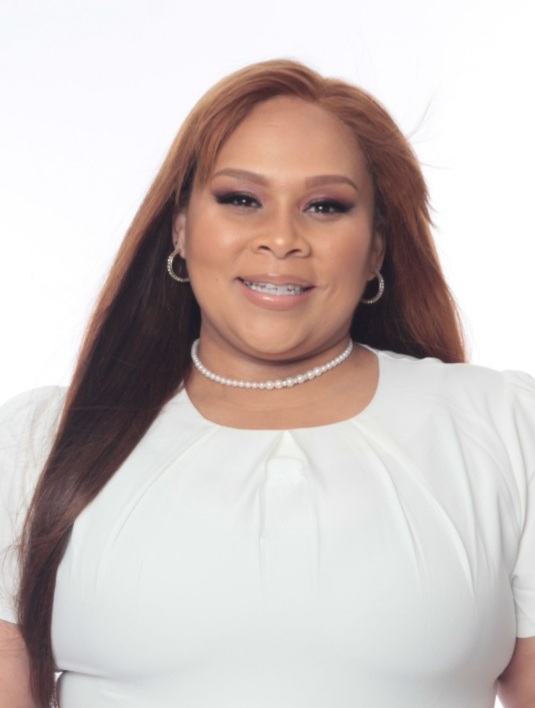
We are proud to welcome Dr. Alicia Delgado-Gavin as the new Director of the Outreach Training Institute (OTI), working closely with Outreach’s longtime Vice President of Training, Liliane Drago, whose recent article in Behavioral Health News was featured in our last newsletter. Dr. Delgado-Gavin’s arrival marks an exciting new chapter for OTI, bringing deep clinical expertise and academic leadership to an already well-regarded program.
A licensed clinical psychologist with more than 20 years of experience across complex behavioral health settings, Dr. Delgado-Gavin has worked in high-acuity systems, private practice, academia, and research. She has taught, published, and mentored emerging professionals throughout her career. Now, she brings that breadth of experience to OTI’s core mission: preparing compassionate, highly skilled professionals ready to meet growing community needs.
For more than 25 years, OTI has provided professional development training to qualified health professionals and is licensed by NYS OASAS to offer continuing education credits across multiple licensed and credentialed disciplines. For individuals entering the field, OTI offers flexible live online CASAC training with both day and evening classes, along with rolling admissions every 6–12 weeks.
To reduce barriers to entry, OTI provides financial assistance options including scholarships, payment plans, ACCES-VR support, and employer sponsorships, expanding access not only to care, but to careers.
And the need for these pathways is clear. HRSA projects that significant shortages across key behavioral health professions, including addiction counselors, mental health counselors, psychologists, psychiatrists, and marriage and family therapists, are expected to persist through 2038. Through OTI, Outreach is proactively strengthening the pipeline of qualified professionals who will help close this gap.
Dr. Delgado-Gavin says, “The demand for behavioral health services has never been greater. Stepping into this role now means helping build a workforce that is not only clinically strong but deeply committed to making a lasting impact.”
Joyeeta Sen, Talent Acquisition & Retention Specialist
Meeting this moment requires more than training, it requires attracting, supporting, and retaining the professionals who deliver care every day.
Joyeeta Sen, Outreach’s Talent Acquisition & Retention Specialist, partners across the organization to recruit top talent and build a workforce equipped to meet evolving community needs. Her work ensures that Outreach not only fills positions but cultivates careers.
As more individuals seek purpose-driven professions, Ms. Sen sees growing interest in behavioral health roles, particularly among women seeking mission-aligned work, professional growth, and opportunities for advancement. By connecting OTI training pathways with employment opportunities at Outreach, she helps create a seamless pipeline from learning to leadership. This integrated approach strengthens workforce stability, supports employee development, and reinforces Outreach’s commitment to long-term community impact.
This Women’s History Month, we celebrate the leadership, vision, and dedication of the women such as Dr. Delgado-Gavin and Joyeeta Sen who are expanding access to behavioral health care and empowering the next generation of providers.
Make a Difference: Join Our Team!
To learn more about the exciting professional opportunities available at Outreach, visit our Careers Center webpage today!
Get Involved
At the heart of everything we do is a shared belief: building healthy lives builds stronger communities. None of our work would be possible without the incredible support of people like you. Your involvement fuels our mission, expands our reach, and helps us create lasting change for individuals and families in need.
Take the Next Step




Thank you helping us build healthier, brighter futures together.